|
Getting your Trinity Audio player ready...
|
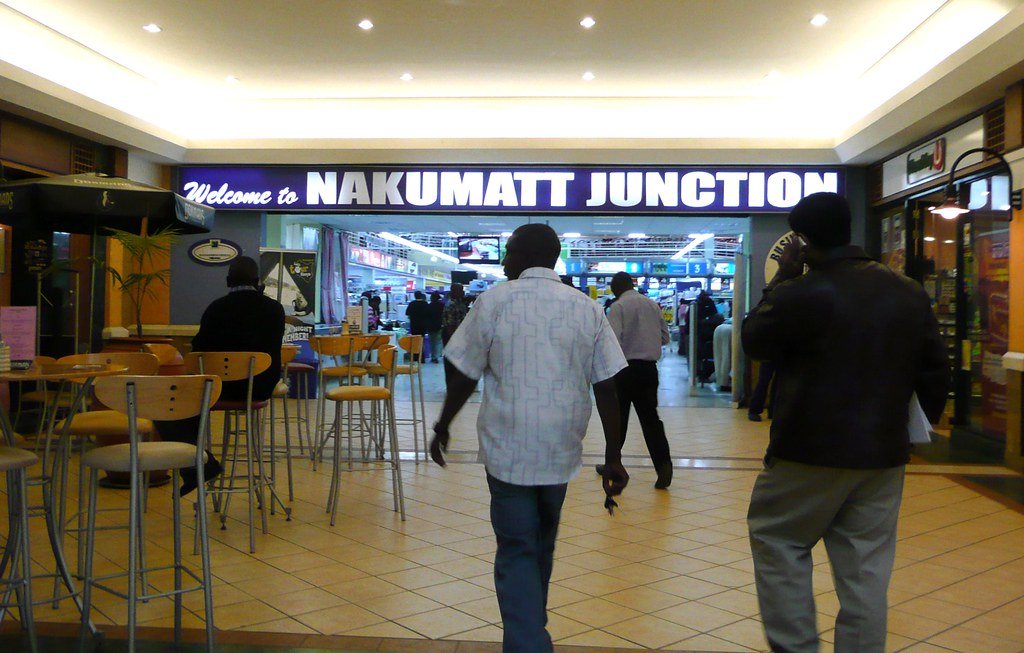
The fall of Tuskys, Nakumatt, and even the once-listed Uchumi Supermarket is a story that has been told before. What has not been highlighted is the intricate dynamics between key players in the sector: retailers, suppliers, and the regulator.
Nakumatt’s first store closed in May 2017, and by January 2020, its remaining six stores had also shut down. At the time of its exit, the company had accumulated a debt of Sh38 billion.
Tuskys, on the other hand, saw its last branch close in March 2023, leaving behind a total debt of Sh19.6 billion.
As for Uchumi, while it has not fully shut down, the chain operates only two branches and is burdened with a debt of Sh3.25 billion as of June 2023, according to the Kenya Retail Report.
These shutdowns brought misfortune to both retailers and suppliers. Wambui Mbarire, Chief Executive Officer of the Retail Trade Association of Kenya (RETRAK), noted that the business model had to shift from suppliers stocking products in supermarkets and expecting payment after sales, to requiring retailers to enter into agreements for joint product movement—a change that has not been well received.
Wambui adds that there are inefficiencies in the retail supply business placing emphasis on creating a system that allows market demands to set the prices.
Retailers have constantly received blame for the inverted retail supply relationship.
According to Priscilla Njako, Manager of the Buyer Power Department at the Competition Authority of Kenya, the demise of Tuskys and Peter Mulei Supermarkets led to the introduction of buyer power provisions in the Competition Act.
These regulations have enabled the Competition Authority of Kenya to recover delayed payments amounting to Sh2.45 billion.