

|
Getting your Trinity Audio player ready...
|
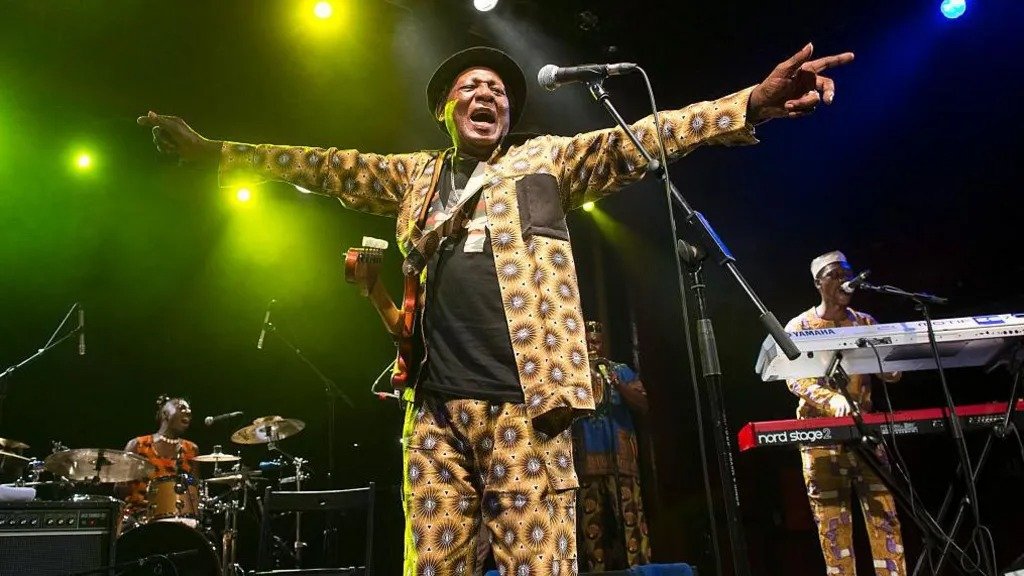
Ebo Taylor, the celebrated Ghanaian guitarist, composer, and bandleader whose work helped shape the sound of highlife music and influence generations of African artists, has died at the age of 90, his family has confirmed.
Born Deroy Taylor in Cape Coast in 1936, he rose to prominence in the late 1950s and early 1960s as highlife emerged as Ghana’s dominant musical style. Over a career that spanned more than six decades, Taylor blended traditional Ghanaian rhythms with jazz, funk, soul, and early Afrobeat, creating a sound that resonated far beyond Africa.
Ghana’s presidential spokesperson described his passing as a major national loss, calling Taylor a “colossus” of the country’s music scene whose influence extended across borders.
Taylor began his career performing with some of Ghana’s most respected bands, including the Stargazers and the Broadway Dance Band. He quickly earned recognition for his distinctive guitar technique and carefully crafted musical arrangements.
A turning point in his development came in the early 1960s when he traveled to London to study music. During that period, he worked alongside fellow African musicians, including Nigerian star Fela Kuti. Their collaboration is widely regarded as part of an important cultural exchange that helped lay the foundations for Afrobeat, the genre Kuti later brought to global attention.
After returning to Ghana, Taylor became one of the country’s most sought-after bandleaders and producers. He worked closely with leading artists such as Pat Thomas and CK Mann, helping shape the direction of modern Ghanaian music. Reflecting on his influences years later, he noted how American funk — especially the music of James Brown — opened new creative possibilities for highlife.
In the later decades of his life, Taylor focused increasingly on teaching and mentoring young musicians, including time spent at the University of Ghana. Yet his creative output did not slow. A resurgence of global interest in African music introduced his work to new audiences, with albums like Love & Death, Appia Kwa Bridge, and Yen Ara reinforcing his reputation as one of Ghana’s most important musical figures.
His influence extended into contemporary global music through sampling. Elements of his recordings appeared in songs by international artists including Usher, The Black Eyed Peas, Kelly Rowland, Jidenna, Vic Mensa, and Rapsody, bringing his sound to a new generation of listeners.
Despite achieving wider international recognition later in life, Taylor remained humble about his success. He once reflected that his moment of global appreciation arrived later than expected, but it was deeply meaningful.
Tributes from across the music world have highlighted not only his artistic brilliance but also his generosity and warmth. Ghanaian producer Panji Anoff remembered Taylor as a mentor who treated younger musicians as equals, always ready to share guidance and inspiration. Artists including Black Sherif and Shatta Wale praised his lasting impact, describing him as a pioneer who opened doors for African music on the world stage.
Ebo Taylor’s legacy lives on in the rhythms and melodies that continue to shape modern African music. By blending innovation with cultural roots, he helped bridge traditional and contemporary sounds, influencing genres from highlife to afrobeats.
His work remains central to the story of African popular music — a testament to a lifetime dedicated to creativity, mentorship, and cultural expression.