|
Getting your Trinity Audio player ready... |
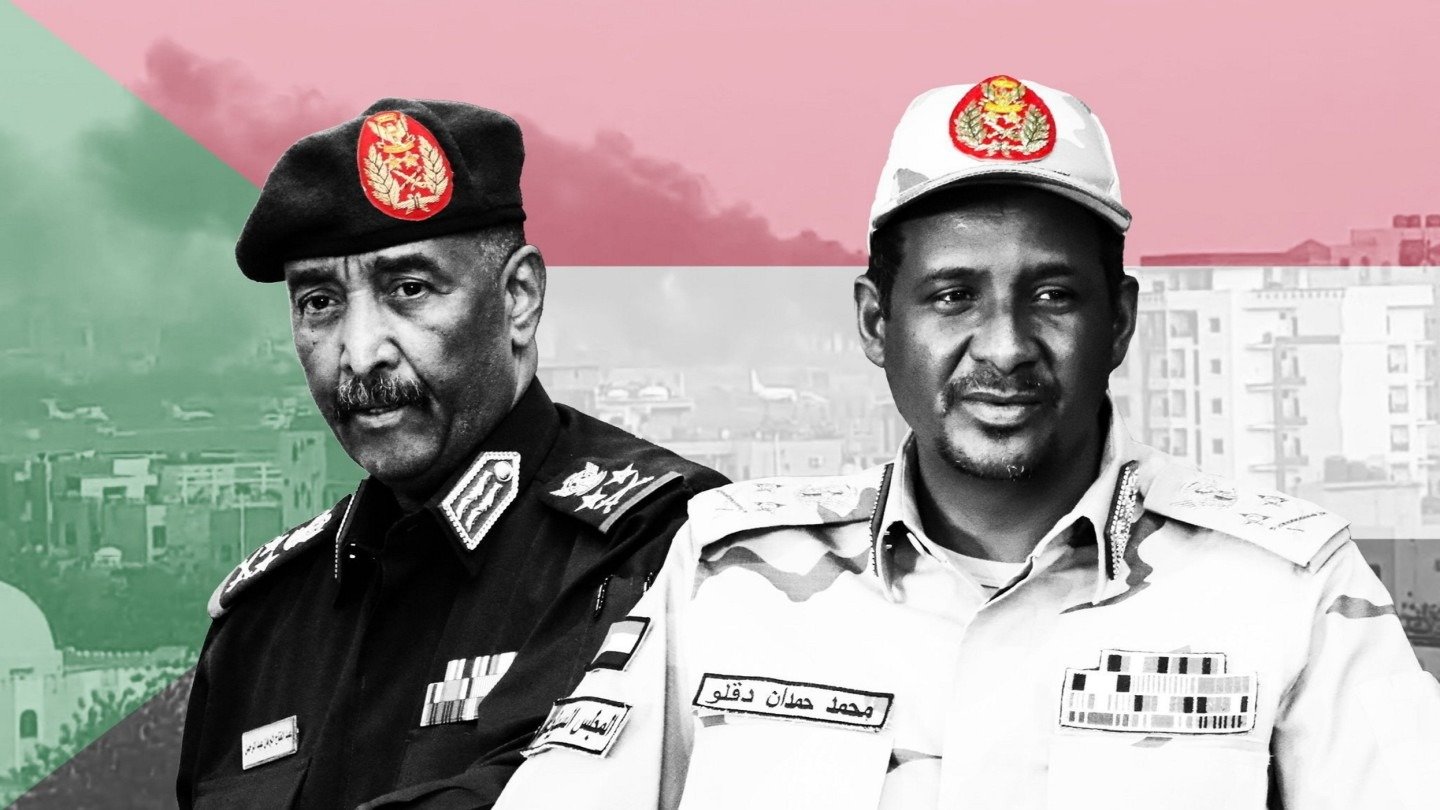
The conflict began on April 15, 2023, when a power struggle between two military leaders escalated into a nationwide war. Forces loyal to General Abdel Fattah al-Burhan of the Sudanese Armed Forces and the Rapid Support Forces led by Mohamed Hamdan Dagalo—also known as Hemedti—have since battled for control of the country, effectively dividing Sudan into competing zones of influence.
A Nation in Ruins
What started as a political standoff in the capital, Khartoum, has turned into a devastating war that has uprooted millions, destroyed essential services, and pushed entire communities to the brink of famine. Estimates suggest that around 100,000 people have died as a direct and indirect result of the conflict, with many deaths linked to hunger and disease following the collapse of health care systems, sanitation, and clean water access.
Humanitarian agencies say the scale of need far outstrips the resources available. With international funding dwindling, many aid operations have had to cut back, leaving families struggling to find food, medical care, and protection. One aid official lamented that nearly 80% of resources were lost, significantly weakening support efforts and allowing moderate cases of malnutrition to worsen.
The Human Toll
Families across Sudan continue to bear the brunt of the fighting. Violent clashes, including recent drone strikes, have claimed civilian lives and driven fresh waves of displacement. The United Nations has reported that over 12 million people have been forced from their homes, many seeking shelter in overcrowded camps where disease spreads rapidly.
Children and women are among the most vulnerable. Aid workers in regions like North Darfur report alarmingly high rates of acute malnutrition, while disease outbreaks sweep through camps with limited health services. Efforts to provide clean water, immunizations, and basic treatment are ongoing but hampered by insecurity and lack of funds.
A World Watching, But Not Enough Helping
Despite urgent appeals from humanitarian agencies, funding remains insufficient. The unmet needs include food assistance, healthcare delivery, water and sanitation support, and safe shelter for millions of families who have endured nearly three years of war. Aid leaders insist that safeguarding civilians and expanding humanitarian access must become priorities if Sudan’s suffering is to be eased.